Founder, ScotiTech • Systems Architect

Software designed to keep essential systems working.

I build continuity infrastructure for organisations and families where privacy, control, and long-term ownership are non-negotiable.

CURRENT FOCUS

Making AI usable in environments where data cannot leave infrastructure boundaries.

I'm tackling a common constraint: teams want AI help but can’t let operational data leave their infrastructure. Most tools assume external processing, which doesn’t work in regulated or contract-bound environments.

I’m especially interested in healthcare, finance, government, or legal teams where data sovereignty is non-negotiable but AI could still improve workflows.

Selected products

Continuity Systems in Practice

Access-Controlled Mobile Distribution

AppDeploy

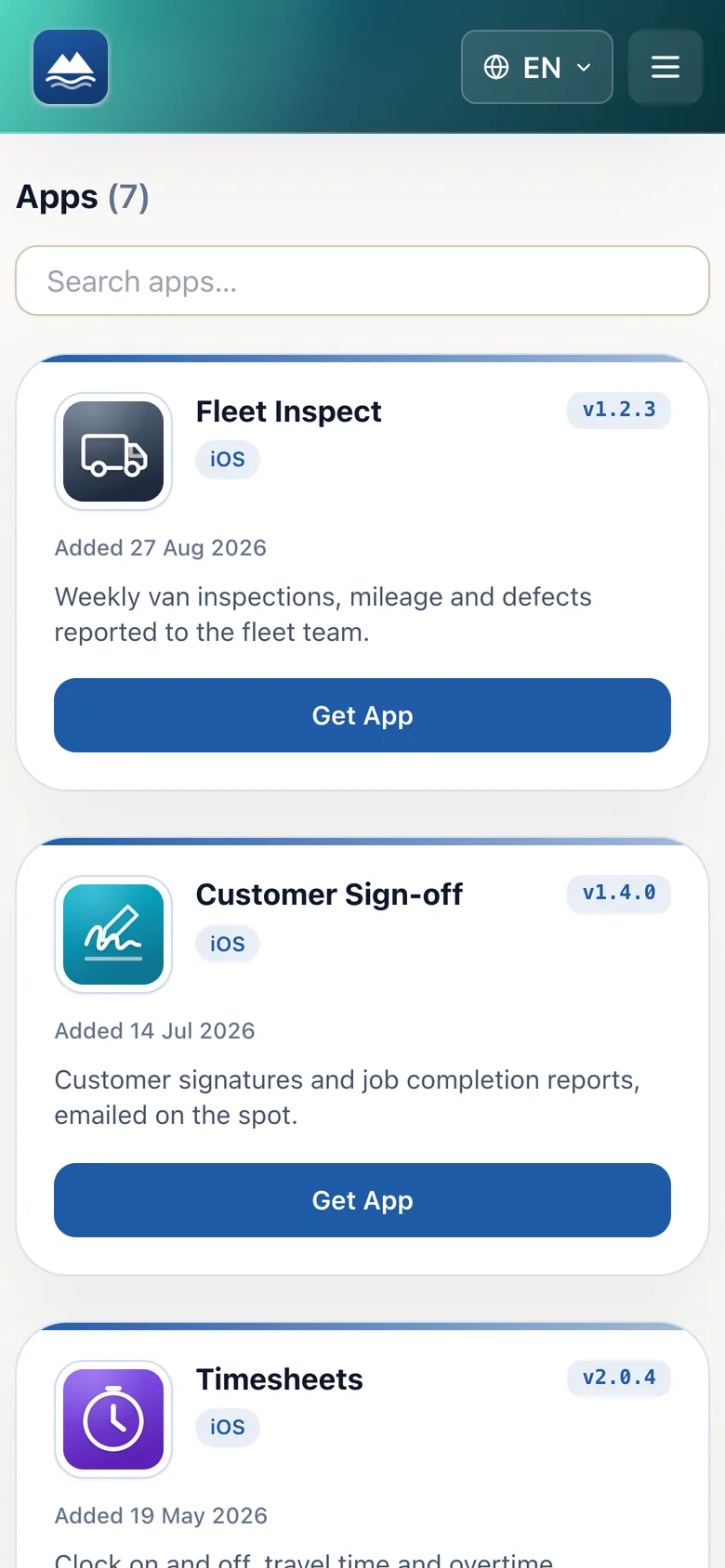
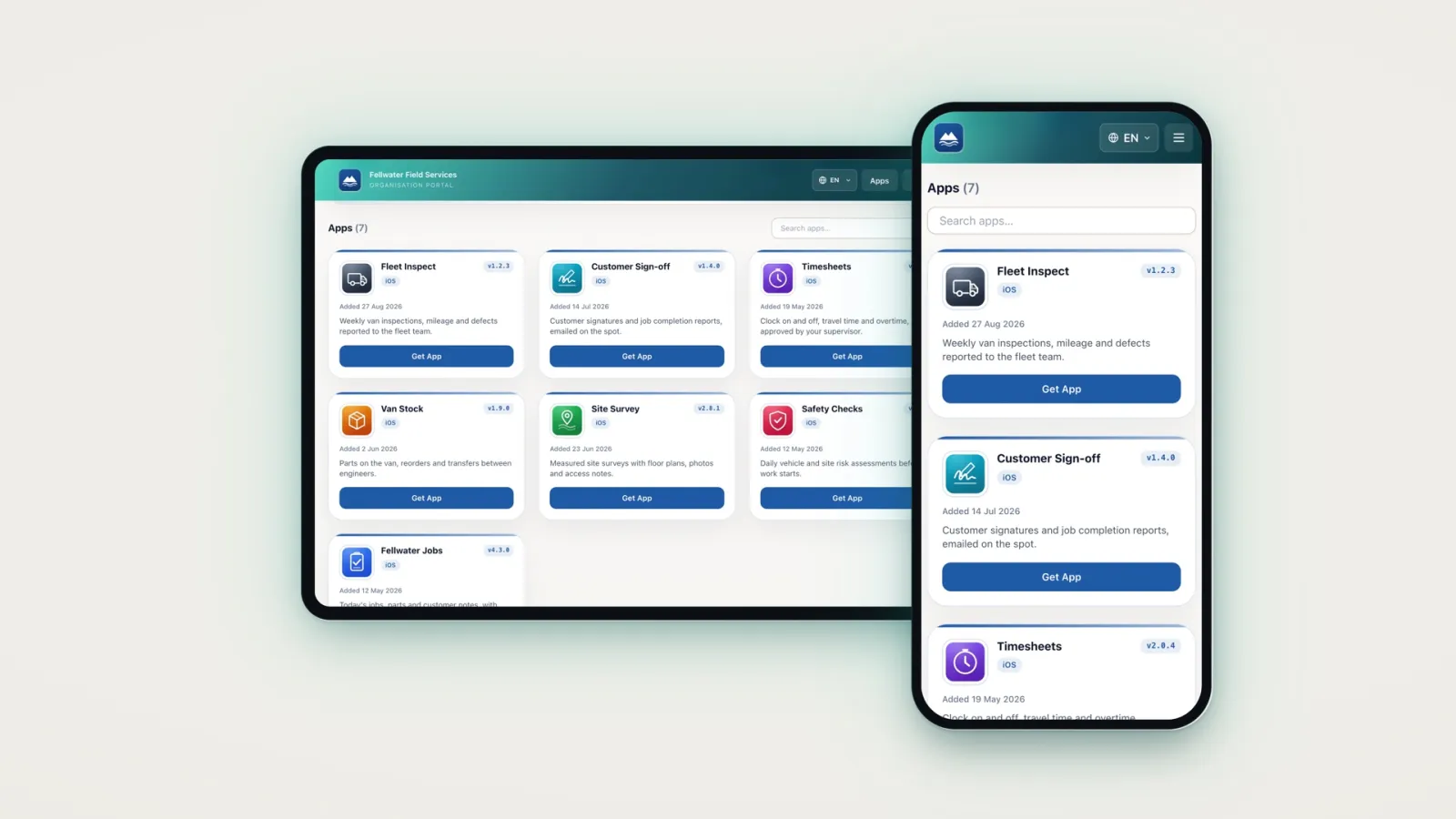
AppDeploy keeps organisations operational when traditional app distribution fails. Companies rely on mobile apps for daily operations, yet most distribution methods depend on external control — app stores, device management policies, or manual installations that break at scale. AppDeploy provides a controlled internal distribution layer where organisations retain direct authority over access, availability, and lifecycle of their applications. Instead of managing devices, organisations manage operational continuity.

Read technical rationale →

Private AI Execution Environment

ScotiTech Workspace

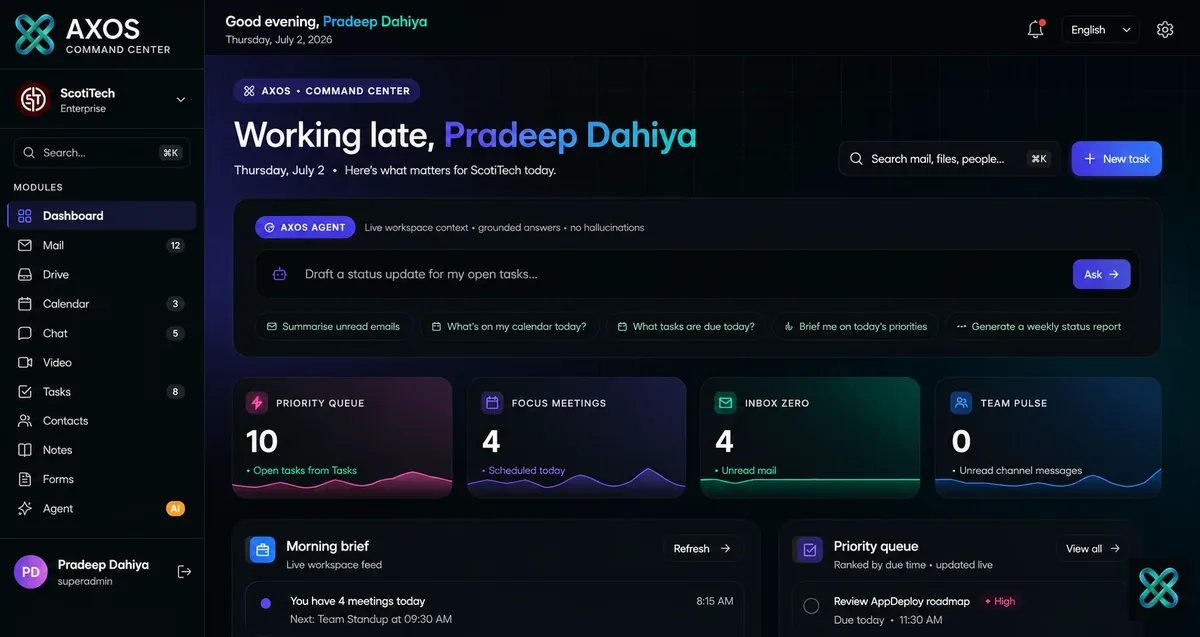
When AI depends on moving sensitive data outside infrastructure boundaries, compliance and operational risk rise. ScotiTech Workspace enables local AI execution so teams keep data inside while still gaining AI capability.

Read technical rationale →

Technology for Assisted Independence

ElderConnect+

When essential care depends on complex digital tools, continuity breaks for older adults and families. ElderConnect+ provides simplified systems that reduce support dependency while keeping routines stable.

Read technical rationale →

Philosophy

Software should survive operations, not demos.

I design platforms for environments where software cannot fail silently — regulated teams, long-lived deployments, and systems operated by non-developers.

In these contexts, usability matters, but predictability matters more. The goal is infrastructure teams can depend on without constant supervision.

My work focuses on making advanced technology usable where reliability is mandatory rather than optional.

Technology should quietly prevent problems. The most valuable systems are not the ones people actively use, but the ones they stop worrying about.

If the surrounding ecosystem changes — vendor, policy, device, or location — essential activity should continue uninterrupted.

I build software that reduces dependence rather than increasing usage.

Design for constraints

Compliance rules, deployment boundaries, and ownership requirements are not limitations — they define the system architecture.

Systems reduce effort

A platform should remove operational decisions, not introduce new ones. If teams must constantly manage the software, the architecture is incomplete.

Production is the proof

Software is validated only after long-term use in real environments. Demonstrations measure possibility; operations measure correctness.